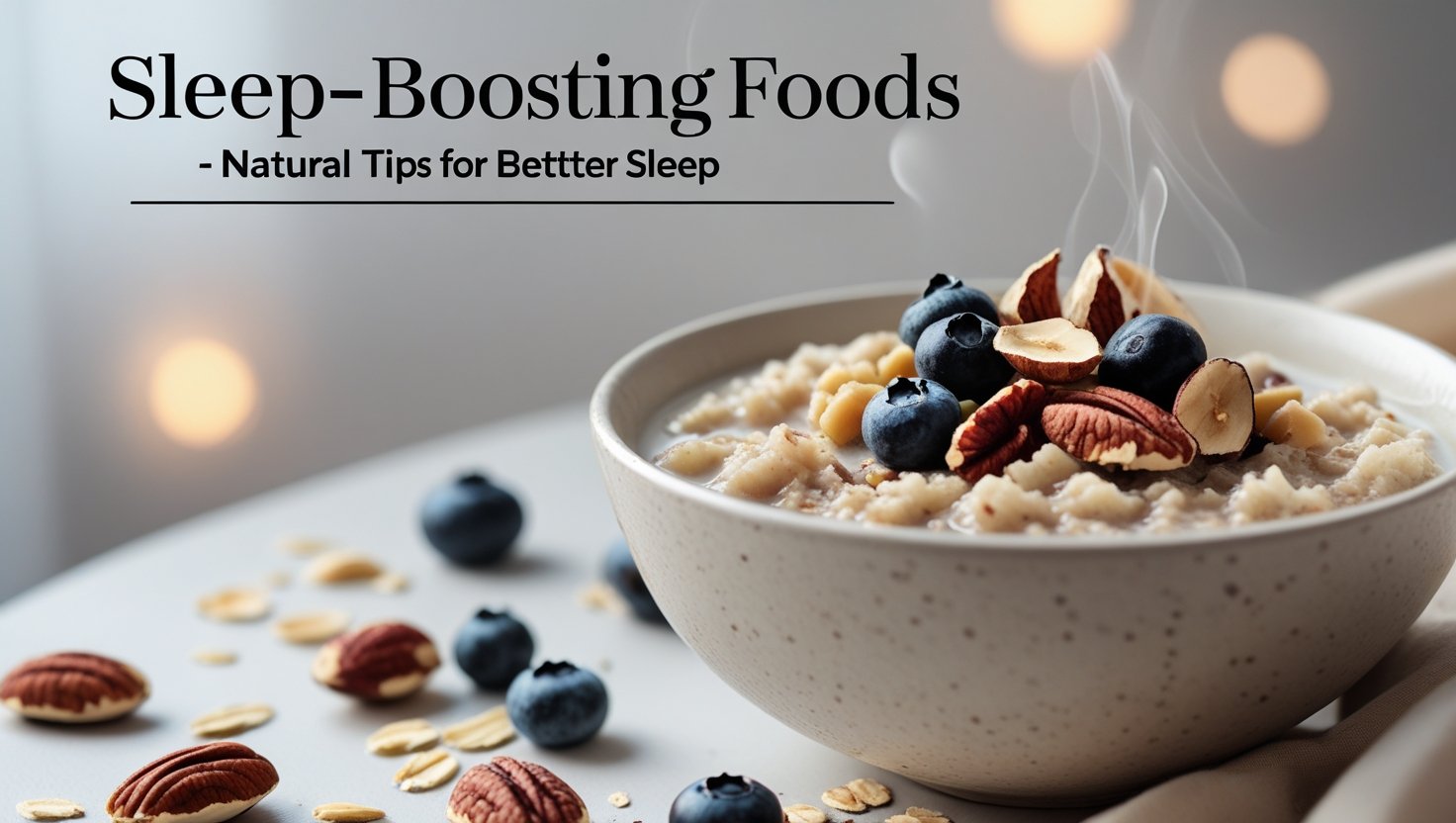
Getting good sleep is essential for your overall health. It helps your mind stay sharp, keeps your body strong, and improves your mood. But in today’s busy world, many struggle with sleep problems. Stress, too much screen time, and diet choices can all keep you awake at night. Luckily, there are natural ways to boost your sleep quality. Some foods contain special ingredients that can help you fall asleep faster and stay asleep longer. Let’s explore how foods and simple lifestyle tips can help you sleep better naturally.
The Science Behind Sleep and Nutrition:
Understanding Sleep Cycles and Nutritional Influences:
Your body moves through different sleep stages, light sleep, deep sleep, and REM sleep. Each one is important for feeling well-rested. What you eat can influence these stages. For example, eating a balanced meal before bed can encourage more restful sleep. Several studies show that your diet affects how long and how well you sleep. Eating the right foods helps your body produce sleep-friendly chemicals.
Key Nutrients That Support Sleep:
Certain nutrients are like your sleep’s best friends. Melatonin helps regulate your body’s internal clock, making you sleepy when it’s dark. Magnesium acts like a relaxant, easing muscles and calming your nerves. Tryptophan is an amino acid that turns into serotonin and melatonin, both of which help you fall asleep. Other good nutrients include vitamins B6 and B12, which also support healthy sleep patterns.
Top Sleep-Boosting Foods:
Foods Rich in Melatonin:
Some foods naturally contain melatonin, the hormone that tells your body it’s time to sleep. Cherries are a top pick; a handful before bed can boost melatonin levels. Grapes and blueberries have similar benefits. Even tomatoes and bell peppers contain small amounts. Eating melatonin-rich foods can help keep your sleep cycle consistent.
High-Magnesium Foods:
Magnesium is key for relaxing your muscles and calming your mind. Leafy greens like spinach and kale are packed with magnesium. Nuts such as almonds, cashews, and walnuts are excellent snack options. Seeds like pumpkin or sunflower seeds also provide this vital mineral. Whole grains like oats and brown rice enhance magnesium intake and promote deeper sleep.
Tryptophan-Containing Foods:
Tryptophan is an amino acid you get from foods like turkey and chicken. It helps boost serotonin levels, making you feel relaxed. Nuts and seeds, including sunflower and pumpkin seeds, have good amounts of tryptophan. Dairy products like milk or yogurt also contain this sleep-friendly amino acid. Incorporate these into your dinner or snack routines for better sleep.
Complex Carbohydrates for Sleep:
Foods high in complex carbs help increase serotonin, which can relax you. Sweet potatoes, oats, and brown rice are perfect choices. Whole wheat bread and pasta are also effective. Eating a small portion of these carbs an hour or two before bed can make you sleepier naturally.
Herbal and Natural Sleep Aids:
Certain herbs have been used for centuries to help calm the mind. Chamomile tea is known for its gentle sedative effects. Valerian root supplements may improve sleep quality. Lavender, whether in oil or tea, is widely used to create a calming environment. These natural options can help turn your bedroom into a sleep sanctuary.
Practical Tips for Incorporating Sleep-Enhancing Foods:
Timing and Portion Control:
Eating too much before bed can make sleep harder. Aim to have your last meal or snack about 1 to 2 hours before bedtime. Keep portions small and light to avoid discomfort. For example, a banana with a sprinkle of nuts or a small bowl of oatmeal works well.
Combining Foods for Better Effect:
Pair tryptophan-rich foods with a small serving of carbs. For instance, try a piece of turkey with whole wheat crackers. This combo helps your body absorb tryptophan and convert it into sleep-promoting chemicals. Experiment with simple snacks like yogurt with honey or milk with a handful of almonds.
Meal Planning and Recipes:
Create easy, sleep-friendly meals. Try grilling chicken with roasted sweet potatoes or blending a smoothie with berries, banana, and a splash of milk. Swapping out heavy, spicy, or greasy foods in the evening supports restful sleep. Incorporate these foods into your daily routine for consistent benefits.
Lifestyle Factors Complementing Nutritional Strategies:
Creating a Sleep-Conducive Environment:
Your bedroom environment plays a big role in sleep quality. Keep your room cool, dark, and quiet. Limit screen time at least an hour before bed, blue light can mess with melatonin. Going to sleep and waking up at the same time daily helps your body develop a natural rhythm.
Managing Stress and Relaxation Techniques:
Stress is a sleep killer. Incorporate relaxation techniques such as meditation, deep breathing, or gentle stretching. These methods calm your mind and body, making it easier to fall asleep. Combining good food choices with calming activities results in better rest.
Avoiding Sleep Disruptors:
Caffeine, especially in the afternoon, can keep you awake. Alcohol might make you sleepy initially, but it disrupts your sleep cycle later. Heavy or spicy meals before bed can cause discomfort and indigestion. Keep these out of your nightly routine to improve sleep quality.
Conclusion:
Getting quality sleep doesn’t have to be complicated. Your diet plays a powerful role in supporting restful nights. Focus on including foods rich in melatonin, magnesium, and tryptophan. Combine these with healthy lifestyle habits like creating a restful environment and managing stress. With these simple tips and natural foods, you can improve your sleep naturally. Remember, a good night’s sleep helps you feel energized, sharp, and healthier every day. Start making small changes today, your body will thank you.
FAQs:
1. How does nutrition affect sleep quality?
Nutrition impacts your sleep by helping your body produce sleep-friendly hormones like melatonin and serotonin. Eating the right foods can improve how long and how well you sleep.
2. What foods help you sleep faster and better?
Foods rich in melatonin, magnesium, and tryptophan—like cherries, almonds, turkey, and oats—help promote faster and deeper sleep.
3. Is it okay to eat before bed?
Yes, but keep it light and eat 1 to 2 hours before bedtime. Choose snacks like a banana with nuts or a small bowl of oatmeal.
4. Can herbs really help with sleep?
Yes. Herbal aids like chamomile, lavender, and valerian root have calming effects that may help you fall asleep naturally.
5. Which nutrients are essential for better sleep?
The most helpful nutrients for sleep include melatonin, magnesium, tryptophan, and vitamins B6 and B12.
6. What should I avoid eating before bed?
Avoid caffeine, alcohol, and spicy or heavy meals close to bedtime, as they can disrupt your sleep cycle.